Geopolitical events can affect financial markets through trade, energy supply, shipping routes, sanctions, defence spending, capital flows and investor confidence. The market impact is rarely determined by the headline alone. It depends on the event’s scale, duration, location, policy response and the extent to which investors had already priced the risk.
Start with the economic transmission channel
Identify the asset or economic activity directly affected. A disruption near a major energy route may influence oil and freight costs. Trade restrictions can affect exporters, importers and companies dependent on specific components. Sanctions may change access to financing, technology or commodity markets. The first task is to map the direct exposure before estimating broader effects.
Energy and commodity markets
Supply risks can increase the risk premium in energy and commodity prices, but the size and persistence of a move depend on inventories, spare capacity, alternative routes, demand and policy responses. Higher energy costs can affect transport, manufacturing and household budgets, potentially influencing inflation expectations and central-bank decisions.
Currencies, bonds and capital flows
During periods of uncertainty, investors may change their exposure to currencies, government bonds and other perceived safe or liquid assets. These flows are not automatic or permanent. Interest-rate expectations, fiscal conditions, liquidity and the source of the shock all matter. A currency can weaken even during a global risk-off episode if its domestic fundamentals are under pressure.
Supply chains and corporate earnings
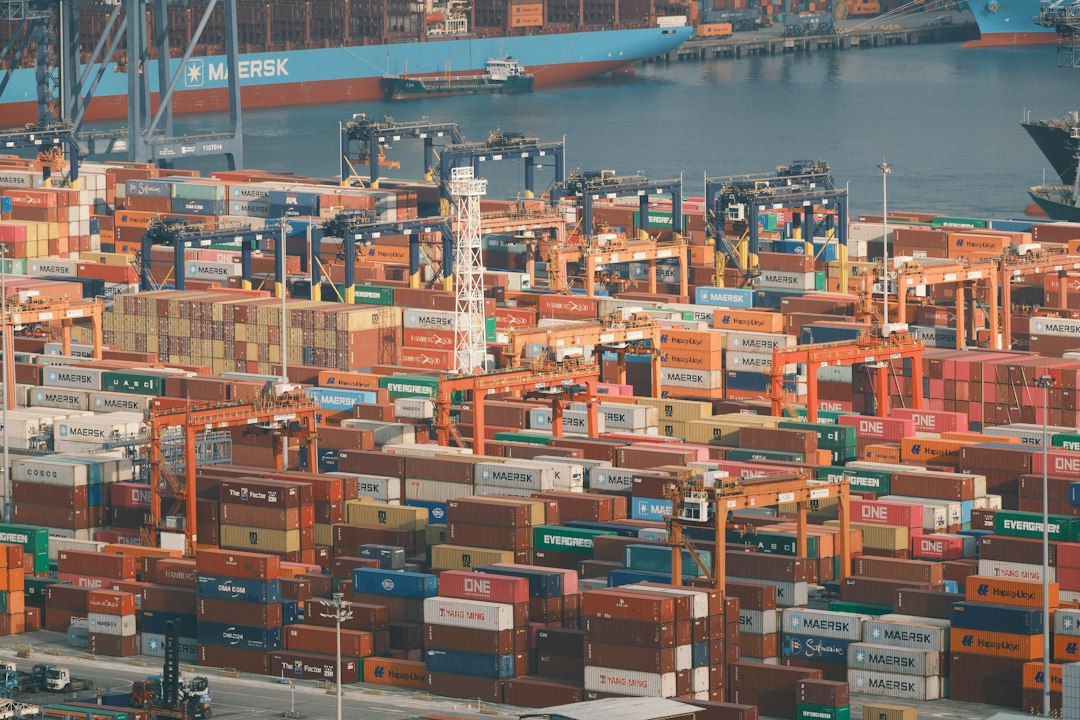
Companies may face longer delivery times, higher insurance and freight costs, restricted access to inputs or reduced access to customers. Review company disclosures for geographic revenue, supplier concentration, inventory buffers and contingency plans. A broad market index may hide very different outcomes across sectors and individual businesses.
Distinguish scenarios from predictions
Build a base case, an adverse case and a de-escalation case. For each, list the conditions that would confirm or weaken it. Avoid presenting a single speculative outcome as certain. Track observable indicators such as official statements, shipping data, commodity inventories, trade restrictions and company guidance.
How to avoid headline-driven trading
- Verify developments through official statements and reputable reporting.
- Separate confirmed facts from anonymous claims and commentary.
- Check whether the market has already repriced the risk.
- Use multiple assets to test the narrative rather than relying on one price move.
- Reduce leverage when volatility, spreads or uncertainty rise.
- Write down what would invalidate the thesis before taking risk.
Reliable sources for context
Useful sources include the IMF for global economic analysis, the World Bank for development and trade context, the International Energy Agency for energy analysis and official government or multilateral statements for primary information. These sources provide context, not guaranteed market forecasts.
Frequently asked questions
Does geopolitical tension always push gold higher?
No. Gold can respond to real yields, the dollar, liquidity, positioning and other factors as well as geopolitical risk.
Do oil prices always rise during conflict?
No. The effect depends on actual supply disruption, demand, inventories, alternative supply and expectations.
How should long-term investors respond?
Review concentration, liquidity and the assumptions behind the portfolio. Avoid making large changes solely because of a dramatic headline.
Bottom line: Analyse the path from event to cash flow, inflation, policy and valuation. Scenario-based thinking is more useful than headline prediction.
Disclaimer: This article is for information only and is not investment advice.


