Updated: October 22, 2026 | Commodities • Market Insights
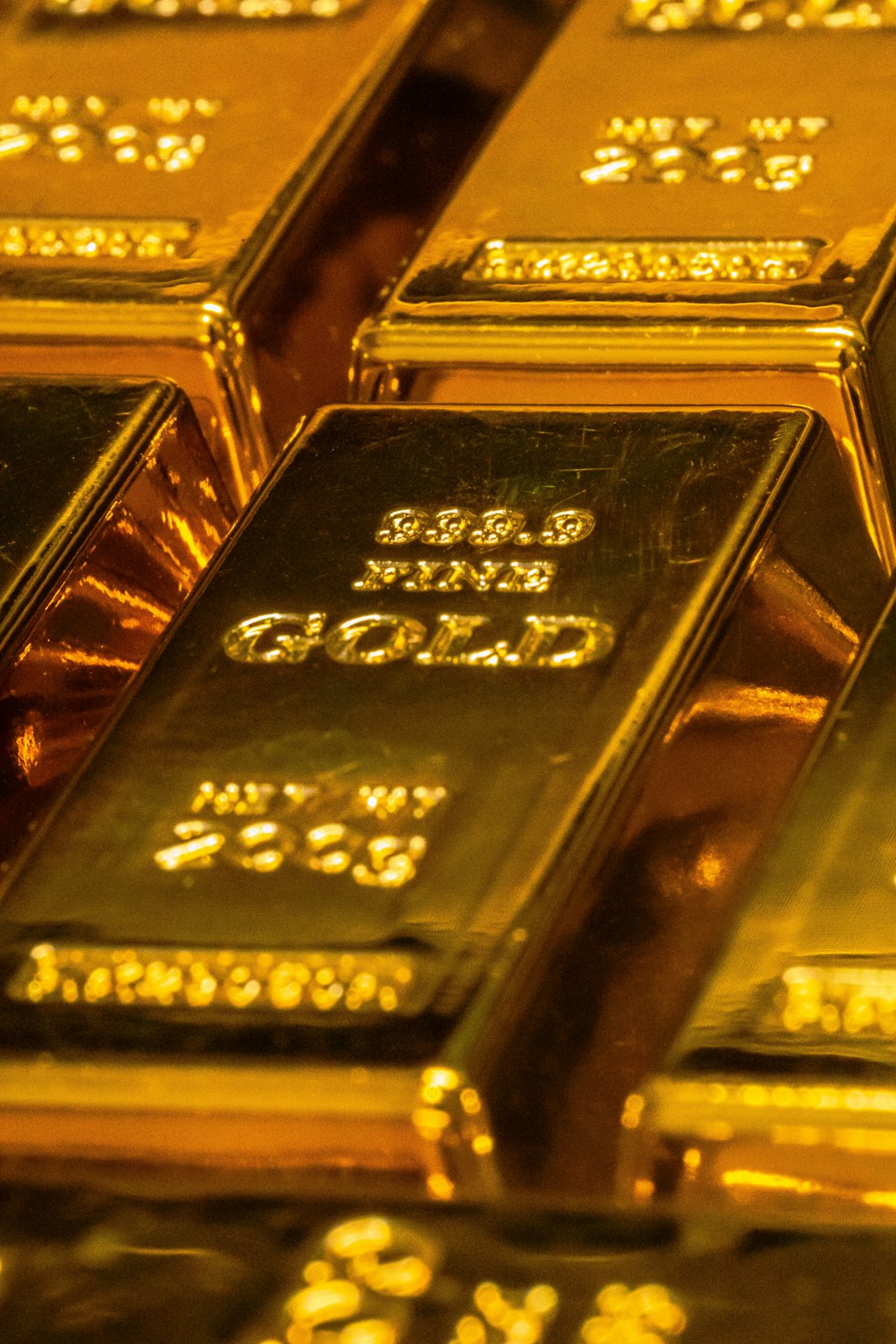
Gold is entering another data-sensitive stretch as traders weigh movements in US Treasury yields, oil prices, the US dollar and expectations for the Federal Reserve. Bullion edged higher on Wednesday, October 21, after retreating toward a one-week low, showing how quickly short-term sentiment can shift when bond yields change.
For investors in India, international bullion prices are only one part of the picture. The rupee-dollar exchange rate, import costs, local premiums and taxes can also affect domestic prices. The key question for the coming sessions is whether gold can find support from investment demand and uncertainty, or whether higher energy prices and renewed inflation concerns will keep yields and the dollar firm.
What happened to gold prices?
Confirmed market report: Reuters reported that spot gold rose about 0.3% to US$4,137.94 per troy ounce on October 21, while US gold futures for December delivery gained around 0.2% to US$4,150. These are reported prices for that session, not live quotes or guaranteed current trading levels. See the Reuters market report for details.
The recovery followed pressure from inflation concerns and rising oil prices. A decline in US Treasury yields helped gold rebound because bullion does not pay interest: when yields fall, the opportunity cost of holding gold can ease. That relationship is influential, but not mechanical; currency movements, positioning, central-bank demand and geopolitical developments can offset it.
Three drivers to watch
1. Federal Reserve expectations
Markets are focused on the Federal Reserve’s October 27–28 policy meeting and upcoming US inflation data. The direction of interest-rate expectations matters because higher real yields can make interest-bearing assets more attractive relative to gold, while falling yields may improve bullion’s relative appeal.
What is confirmed: Reuters identified the coming Fed meeting and the next US Personal Consumption Expenditures inflation report as important events for traders. What remains uncertain: the Fed’s eventual decision and the market reaction. Investors should avoid treating any forecast about rates as a confirmed outcome.
2. Oil prices and inflation risk
Higher oil prices can raise transport and production costs and complicate the inflation outlook. If energy prices feed into persistent inflation, bond markets may price in tighter monetary policy for longer. That can lift yields and the dollar, creating headwinds for gold even when geopolitical uncertainty supports demand for safe-haven assets.
Business Standard reported on October 21 that gold was trading in the lower half of a range it had held since early October, and highlighted the risk that a further oil rally could strengthen expectations for tighter US policy. Read its gold market outlook. Analyst scenarios are opinions, not price targets that will necessarily be reached.
3. The US dollar and Treasury yields
Gold is commonly quoted in US dollars, so a stronger dollar can make bullion more expensive for buyers using other currencies and may weigh on demand. Yields matter for a different reason: gold has no contractual coupon or interest payment. When government bond yields rise, investors may demand a stronger reason to hold non-yielding bullion.
The World Gold Council’s September commentary noted that rising US Treasury yields and a stronger dollar were important contributors to gold’s September decline. It also reported that global gold ETFs recorded US$10 billion of inflows during that month despite the price drop. Read the World Gold Council’s September market commentary for its data and methodology.
Does central-bank demand still matter?
Central banks remain an important structural part of gold demand, but their purchases can vary considerably from quarter to quarter. The World Gold Council reported net central-bank purchases of 288.9 tonnes in the second quarter of 2026, while first-half demand was lower than in recent years after a weak first quarter. Its report also described continued buying by Poland and China.
This evidence supports a nuanced conclusion: official-sector demand can provide a source of longer-term support, but it should not be treated as a guaranteed price floor. Central banks may buy, pause or sell depending on reserve policy, liquidity needs and market conditions. See the World Gold Council’s central-bank demand data.
What Indian gold buyers should understand
International spot gold is usually quoted per troy ounce, while Indian retail prices are commonly discussed per 10 grams. Domestic prices can differ from a simple currency conversion because of rupee movements, import duties, taxes, local premiums and jewellery-making charges. Jewellery prices also include workmanship and retailer-specific costs.
Before making a purchase, compare the current rate from a reputable local jeweller or exchange-related source, confirm purity (such as 22K or 24K), and ask for a clear breakdown of taxes and making charges. For investors evaluating gold as part of a broader portfolio, consider how it fits with cash needs, time horizon and risk tolerance. Zyqorr’s risk management guide and SIP and investment planning guide provide related educational context.
Scenarios for the next few sessions
- Supportive scenario: Treasury yields and the dollar ease, while uncertainty or investment demand remains firm. These conditions could help gold stabilise or recover.
- Pressure scenario: oil-driven inflation concerns intensify, yields rise and the dollar strengthens. Gold could face renewed selling pressure.
- Range-bound scenario: conflicting signals from yields, currency markets and geopolitical news keep traders cautious ahead of the Fed meeting and inflation data.
Zyqorr analysis: the most useful signal is likely to be the interaction between yields, the dollar and energy prices rather than any single headline. A modest rebound by itself does not confirm a sustained uptrend. Readers should monitor whether the move is supported by follow-through and fresh demand data, while remembering that short-term price action can reverse quickly.
Key takeaways
- Reuters reported a modest gold rebound on October 21 as US Treasury yields eased.
- The Federal Reserve meeting on October 27–28 and upcoming US inflation data are key near-term events.
- Higher oil prices could complicate inflation expectations and influence yields and the dollar.
- Central-bank buying remains relevant, but quarterly demand is uneven and does not guarantee higher prices.
- Indian buyers should account for currency movements, taxes, local premiums and making charges in addition to global bullion prices.
Editorial note: This article separates reported market data from Zyqorr’s scenario analysis. Prices and forecasts can change quickly. Verify live prices and official releases before acting.
Frequently asked questions
What factors commonly influence gold prices?
Gold can respond to real yields, the US dollar, investment demand, central-bank activity and geopolitical uncertainty. These drivers can conflict, so no single factor guarantees a particular price direction.
Why can Indian gold prices differ from international spot prices?
Domestic prices can also reflect the rupee-dollar exchange rate, import costs, local premiums, taxes and jewellery-making charges. Check a current local quote and ask for a clear price breakdown before purchasing.
How should readers interpret gold-price forecasts?
Treat analyst targets and scenarios as opinions, not guaranteed outcomes. Check the date and assumptions behind a forecast and compare them with current market data.
Disclaimer: This article is for news and educational purposes only. It is not investment advice, a recommendation to buy or sell gold, or a promise of returns. Commodities can be volatile, and readers should make decisions based on their own circumstances and, where appropriate, seek advice from a qualified professional.